A Weblog for Our Mother God

A Blessed Season
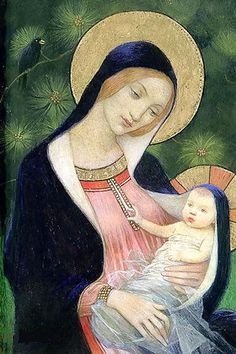 The Birth of the Divine Maid, the Princess of the World, is the central spiritual event of the winter season. The actual Nativity – the Birth – takes place in the Cave of the World. This is not only the inner heart of the cosmos, but the inner Secret Place in each of our hearts.
May your faith and joy be enriched through the coming year.
Read all about Nativity and about the carol Hail to the Princess
Advent
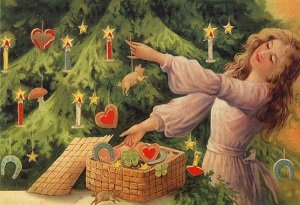 The coming of winter also brings the joyous season of Advent, anticipating the Nativity of God the Daughter, a time for decorating, cleansing, planning, and dreaming.
Open Online Service
Our next open online service will be held on Sunday 30 November. Please see our YouTube channel for details. Use the 'Contact Us' form to request an invitation.
The Mysteries of Life
The last two festivals of the Mysteries of Life season are closely associated with the symbolism of autumn: fruition, abundance and death.
Cuivanya, the Feast of Divine Life, the Autumn Equinox festival, celebrates our Mother God as the Ground of All Being and the Creatrix of the World. As a harvest festival it rejoices in the outpouring of life.
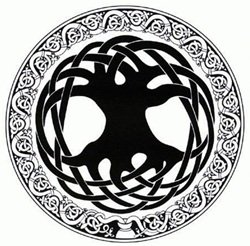
Tamala, the Feast of the Dead, brings the season to a conclusion, and is celebrated with bonfires, candle lanterns and fireworks.The image here is a Celtic representation of the Tree of Life, symbolizing the interconnectedness of all life.
Chapel of Our Mother God YouTube
We are pleased to announce that the Chapel has a new YouTube channel to host new resources.
The Golden Festival
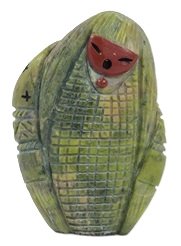 Chelanya, the Golden Festival, opens the Mysteries of Life season and is the festival of regeneration. Celebrated on the cross-quarter day of summer, it marks the beginning of the harvest season, symbolic of the bounty of Dea.
The image here is a carving of the Corn Maiden of the Pueblo peoples of the Southwestern United States. There are many related folk tales, but in essence she is regarded as the grandmother of the Sun and of light, embodied in the life-giving golden corn.
Rosa Mundi, Rosa Mystica
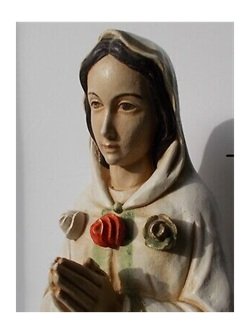
The midsummer festival of Rosa Mundi opens the Fire and Rose season, the beginning of the Mother half of the year.
Ultimately the joyous Fire and Rose season, with its flowers, bonfires and fireworks is about the soul's quest for the Spirit, for the Temple of the Heart whose form is the form of a Rose. For the sacred Rose whose petals are pure fire.
The image here shows a Rosa Mystica statue from Italy.
Read more about Rosa Mundi and its relationship to the Temple of the Heart
The Meaning of May Day
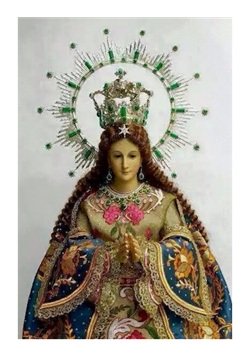
The cross-quarter day between the Spring Equinox and the Summer Solstice is celebrated as the festival of the Queen of Heaven, often known as May Day.
The name Maia/May comes from a root that gives us words like "majesty", "magic" and "might". It also gives us "maid" – the feminine name for humanity as a whole. This is the month in which Our Lady's sacrifice and triumphant resurrection spread out into the middle world, the world of maid, as She takes Her place at the summit of Her Mother's creation.
The World Renewed
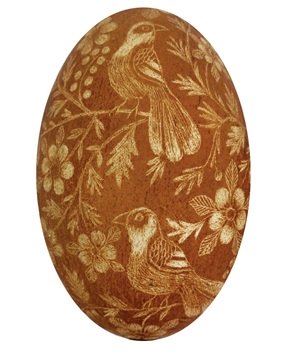
In the Mystery of Easter, Mother and Daughter are reunited and the world is reborn.
Life is renewed in springtime and the egg has for long ages been associated with this time. Ancient cultures including the Chinese, the Egyptians and the Romans decorated eggs to celebrate the coming of spring.
The image shows a dyed egg traditionally pin-scratched with a design of birds in a flowering tree as a symbol of the rejuvenation of the world.
Read about the High Feast of Easter and about the origin of the Easter Egg.
The Taking-On of Fate
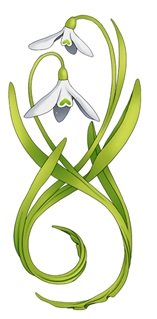
The first festival of the Easter season is the primary festival of the Daughter as Light Bringer, as She undertakes to carry the Divine Light into every corner of manifestation, even to the very Realm of Death. It signals the coming of the end of winter.
Candles and snowdrops are associated with the day, reminders of the Daughter's gentle light.
The Holy Child Is Born
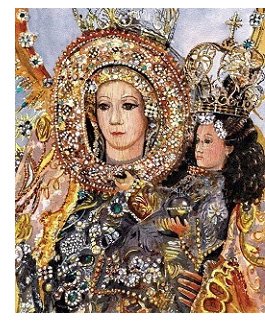 A blessed Nativity for all! Nativity celebrates the birth of the Divine Maid from the Most Holy Mother, Creatrix of the World. The birth of the Daughter takes place outside time and space, in the Cave of the World, the inner heart of the cosmos, and in its far-off reflection within each one of us.
 The image of Mother and Child here is from the Philippines.
Read all about the Nativity of God the Daughter
Also read here about the relationship between Christmas and the Mother-Faith
Tamala and the Beyond
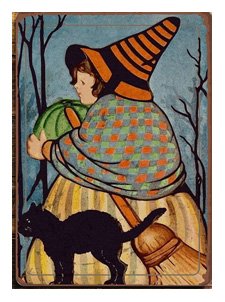 Tamala, the final celebration of the Mysteries of Life season, is a three-day fire festival known as the Feast of the Dead.
It is traditionally one of the times of the year when the barriers between the worlds are thin and spirits from beyond may be seen in the land of the living. In our more material times, we often experience this more through the disguises donned in celebration of the festival.
The Abundance of Divine Life
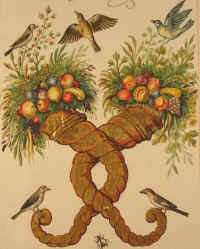 Cuivanya, the Feast of Divine Life, the Autumn Equinox festival, celebrates our Mother God as the Ground of All Being and the Creatrix of the World. The keynote of the festival is abundance, the flow of spiritual blessings represented on the material plane by the harvest. Its symbols include the sickle, the apple and the cornucopia.
The Golden Festival
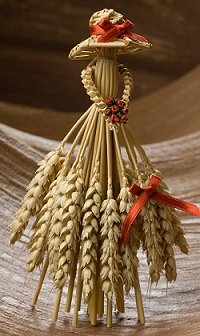 The late summer festival of Chelanya, the Festival of Regeneration, opens the Mysteries of Life season. It marks the beginning of the harvest season, symbolic of the spiritual bounty of Dea. It is known as the Golden Festival, reflecting the Solar Mother in both the summer sun and the ripening grain.
A traditional symbol of the festival is the corn dolly, which may be made of wheat or maize and can take many forms, not all as representational as the one in the image here.
Rosa Mundi and the Temple of the Heart
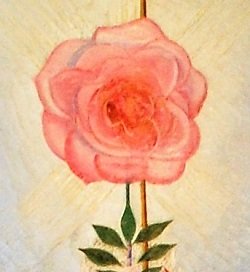
The Rose of the World festival, Rosa Mundi, is the first Great Festival of the Mother half of the year.
This festival is especially associated with the soul's quest for union with the Spirit our Mother.
The soul's journey is also into "the innermost temple of your heart, whose form is the form of a rose"
May Day and the Queen of Heaven
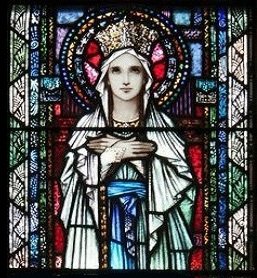 Midway between Easter and the Rose of the World Festival is the Exaltation of the Queen of Heaven on May Day. At the completion of the Easter cycle, the Daughter ascends to the Upper World, where she is crowned Queen of Heaven. But She is still Princess of the Earth, ruling the world through Her Golden Order of harmony and justice.
Easter and the Coming of Spring
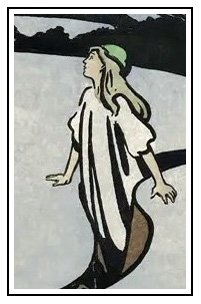 The story of the Easter season is that the Daughter of Heaven dies on the Pillar of the World and the world she sustains begins to die too. She is restored to life by the tears of Her Mother and Her return brings all of manifestation back to life.
So it is that not only the year but the cosmos itself changes, dies and is reborn.
A Feast of Lights Custom
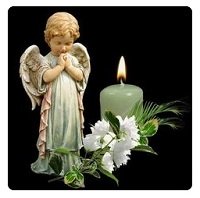 The Feast of Lights, or Luciad, represents the beginning of the end of the dark days of winter. A custom on this day is for the coming year's candles to be brought to an altar or shrine to be blessed. Candlelight is symbolic of the gentle light of the Daughter lightening the darkness of the world.
The Mystery of Midwinter
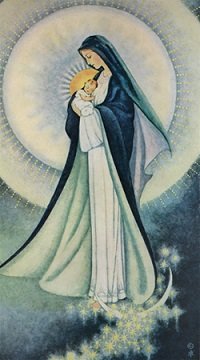 We know birth as an emergence from darkness into the light. However, at midwinter, Light is born, illuminating the darkness.After the star brings the children of earth to the cave where the Daughter is born, and the princesses present their gifts, a beautiful voice fills the air, saying:
Her Name shall be called Inanna
For She shall be Lady of Heaven
And the star vanished from the sky and yet its light remained. And the shape of the light became a vision. And the vision was a vision of the Mistress of All Things, bearing in Her arms the Holy Child.
Tamala
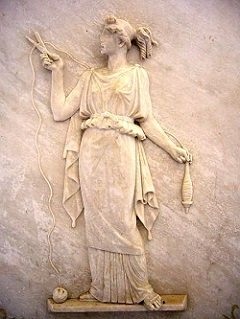 Tamala is a three-day fire festival known as the Feast of the Dead, celebrated with bonfires, candle lanterns and fireworks. Death is the last of the mysteries and Tamala appropriately brings to a close the Mysteries of Life season.
Pictured is Atropos, the Greek Fate who cuts the thread of life. She should not be seen as shortening life but as signifying its proper completion.
The Feast of Divine Life
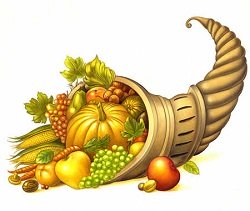
The generous outpouring of Divine Life symbolized by the fruits of the harvest is the central mystery of the Mysteries of Life season.
The Festival of Regeneration
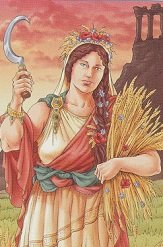
The Mysteries of Life season opens with Chelanya, the Festival of Regeneration. The grain harvested to be resown for the new crop is emblematic of this mystery.
Chelanya is known as the Golden Festival, the ripening grain and the summer sun reflecting the Solar Mother.
The image here is Demeter, the Mother in the Greek Mother and Daughter mythos that formed the heart of the Eleusinian Mysteries. She carries the sickle and a sheaf of grain, symbolic of regeneration.
Rosa Mundi, or the Rose of the World
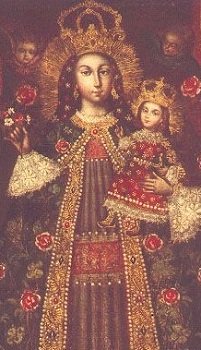
Midsummer is the beginning of the half-year of festivals concerning the Mysteries of the Mother, Creatrix of the Universe.
The central festival of Summer is Rosa Mundi, which opens the season of the Fire and the Rose. The season is a solar-lunar one, beginning with the summer solstice and ending with the full moon, this year almost two weeks later.
It is celebrated with bonfires, fireworks and displays of roses. Fairies and other subtle entities are felt to be about and magic and divination are traditionally practiced.
Read about the mystical and folk elements of the festival and season
The Queen of Heaven
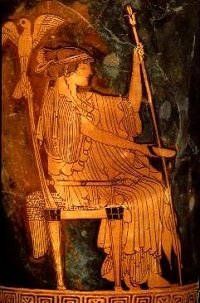 Queen of Heaven is perhaps the most ancient of all religious titles, appearing all over the world. For example, in ancient Sumer she was known as Inanna, in the Levant as Astarte, in Egypt as Isis, in Greece as Hera (pictured here enthroned) and in Christian Europe as Mary.
In the Filianist faith, the Divine Daughter is both Queen of Heaven and Princess of the World, ruling over all with love and gentleness.
Easter and the New Year
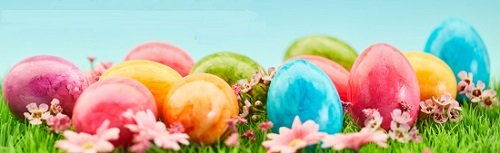
The Daughter is risen, Spring has sprung and the new year has begun.
The renewal of the world in springtime is associated with its creation and the World Egg. The egg has through many cultures been a primary symbol of this time of year. The dyeing of eggs symbolizes the wonderful variety of manifestation.
Read about the High Feast of Easter and about the origin of the Easter Egg.
Symbols of Luciad
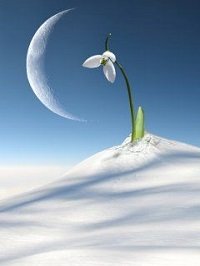
The brave and trembling snowdrop, the fragile crescent moon and the flickering light of the candle symbolize the birth of the Daughter's own light. Luciad, also known as the Feast of Lights, celebrates Her vow to take the light of the Divine even into the lowest and darkest places of manifestation, bringing hope to every lost creature.
Nativity Blessings
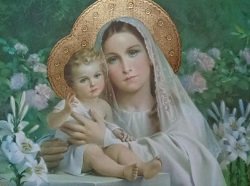 The bright Janya before the cave says: This night shall a Child be born that shall be the Daughter of Light and the Princess of all the world.
Read about the real meaning of Christmas revealed in a modern children's story
The Commencement of the Advent
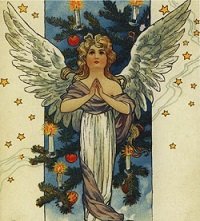 The Commencement of the Advent is the first festival of the Nativity season. It marks the start of preparations, including decorating the tree.
Tamala: The Last Mystery
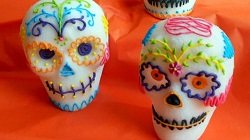 The three-day fire festival of Tamala brings to an end the Mysteries of Life season, celebrating the most mysterious of those mysteries: the mystery of death.
Reminders of death – memento mori – are seen in carved lanterns, sugar skull candy, and dangling skeletons and ghosts, though the atmosphere of the festival is notably upbeat and even exciting.
Autumn Equinox: Divine Life
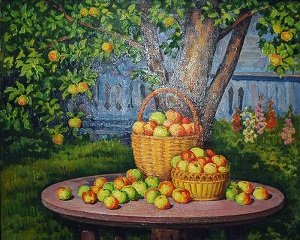
Cuivanya, the Autumn Equinox festival, celebrates our Mother God as the Ground of All Being and the Creatrix of the World. As a Harvest Festival, it celebrates abundance of life — life as it comes to fruition and completion. One of its particular symbols is the apple.
The Golden Festival
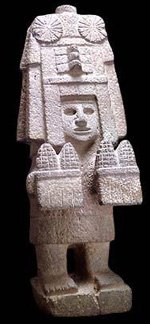
The festival of high summer, Chelanya, is the festival of regeneration, symbolized by the grain harvest. Golden sunlight is poured into life-giving crops, the first fruit of Our Mother's bounty for the first feast of the Mysteries of Life.
The image here shows Chicomecoatl, the Aztec Corn Mother.
The High Feast of Rosa Mundi
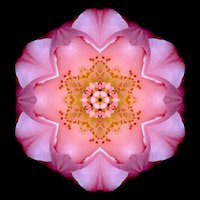
Rosa Mundi is the Summer Solstice Festival of Our Mother God.
The festival celebrates the ascent of maid to Heaven. Since Heaven is not only "upward" but "inward", the journey prefigured in the Rosa Mundi festival is also into "the innermost temple of your heart, whose form is the form of a rose".
Hail, Queen of Heaven!
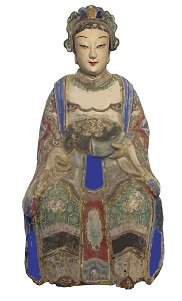
May Day is the Festival of the Queen of Heaven, celebrated with flowers and dancing and the coronation of the Queen of the May.
Queen of Heaven is an ancient title reflecting an archetypal reality that the human heart readily responds to. The image here is the Chinese Queen of Heaven, Mazu, who has statues and temples all over the world.
The End... and the Beginning
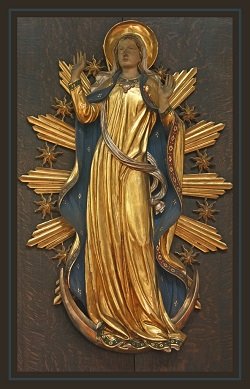 The Easter season covers the end of the year and the beginning of the new year – death and life, loss and restoration, sorrow and joy.
The Divine Maid dies on the Pillar of the World and the world she sustains begins to die too. This is expressed in a poignant Easter Hymn.
She is restored to life by the tears of Her Mother and Her return brings all nature back to life and restores the world.
Read All about Easter.
The Daughter's Light
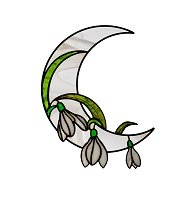
The Feast of Lights, also known as Luciad, celebrates the vow of the Daughter to take the light of the Divine even into the deepest and darkest places of manifestation. Candles and snowdrops are associated with the day, reminders of the Daughter's gentle light, which is also symbolized by the light of the moon.
Nativity and the Hearth Fire
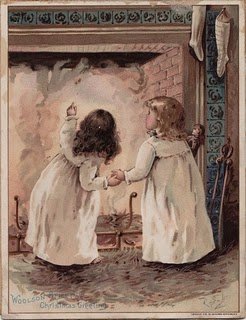
The Mysteries of Nativity and of the Hearth are closely related and bound up with the Northern Gate of Heaven through which the Princess of the World enters our homes and hearts.
In this season, the Day of the Lady of the Hearth Fire comes a week after the celebration of the Birth of God the Daughter.
Winter Festivals
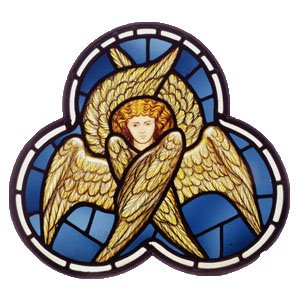
The festivals of early winter pave the way for the celebration of the Nativity of God the Daughter.
The Commencement of the Advent sees the start of preparations for the season, while on the Feast of the Conception we contemplate the Mystery of the Daughter's coming.
Mysteries of Life: Tamala
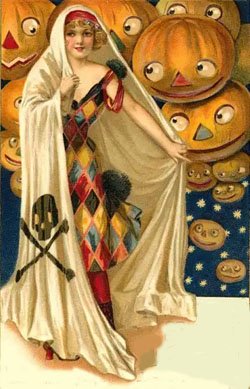 While it is known especially for its tradition of pleasant frights - scarily carved pumpkins, ghost stories, witch costumes – the late-autumn festival of Tamala is a part of the Mysteries of Life season and concerns the end of life and the restarting of the cycle.
During the three-day festival, we remember the departed and look forward to eventual reunion - which is ultimately of course our reunion with the Spirit.
Read about the inner meaning of Tamala, the Feast of the Dead.
Mysteries of Life: Cuivanya
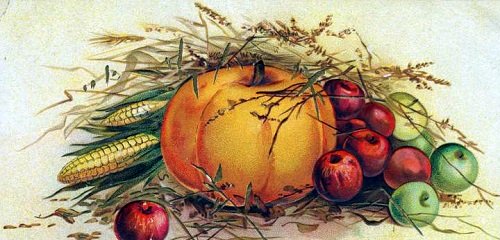
Cuivanya, the Autumn Equinox festival, celebrates our Mother God as the Ground of All Being and the Source of All Life.
Divine Life is present throughout the cosmos, in all creation, and this autumnal equinox festival traditionally expresses that through the agricultural symbolism of the harvest, which is not simply a "metaphor" but a ritual in the fullest and deepest sense of the word.
The Mysteries of Life
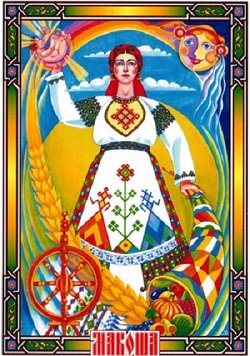
The Mysteries of Life season opens with Chelanya, often called the Golden Festival, which celebrates regeneration. The principal symbol of the festival is grain of all kinds, cut down to rise again in the cycle of time.
The image shows the Slavic Great Mother Makosha or Mokosh who is strongly associated with the Mysteries of Life.
Rose of the World
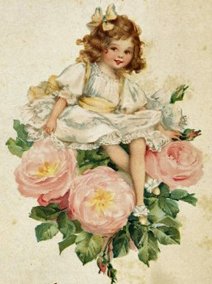
The Rose of the World festival, Rosa Mundi, begins the Fire and Rose season.
It is a time when the veil between the worlds is thin and magic is all around.
This festival is especially associated with the soul's quest for union with the Spirit our Mother.
The Queen of Heaven
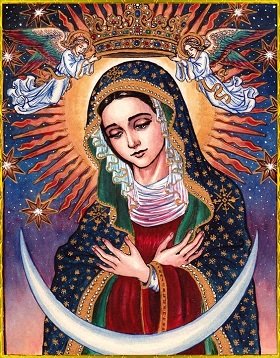
The three titles of the Divine Daughter are Princess of the World, Priestess of the World and Queen of Heaven. The May Day festival, the final festival of the Easter season, celebrates the Daughter as Queen of Heaven. The crowning of the Queen of Heaven is often reflected in celebrations by the crowning of statues or of a chosen May Queen.
The Easter Season and the New Year
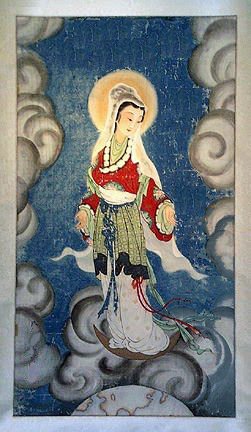
The Easter season follows the Daughter of Heaven as she takes the light of the Divine to the deepest of the places of darkness, dies and is reborn and ascends to become the Princess of the Earth, our Sovereign Lady, as recounted in Mythos of the Divine Maid.
Easter Day is also the first day of Spring and the first day of the year, this time the year of Sai Raya, the janya who represents the golden Solar Principle and gives health, abundance and life to all creation.
You can read more in All About Easter.
The Feast of Lights
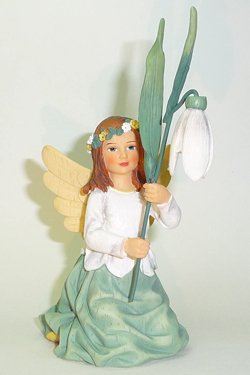
The Feast of Lights, also known as Luciad, is the primary festival of the Daughter as Light Bringer, with her promise to bring Divine Light to every corner of the universe. It signals the beginning of the end of Winter and is the very first festival of the Easter season.
Candles and snowdrops are associated with the day, reminders of the Daughter's gentle light.
A blessed Nativity for all
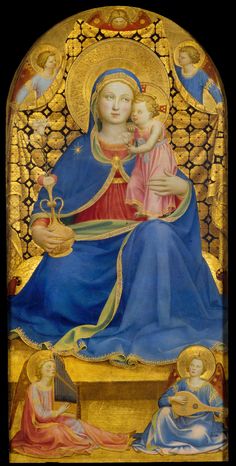
We wish all our readers a happy and blessed Nativity. May your faith and joy be enriched through the coming year.
The Birth of the Daughter is a universal Event that in one sense took place "before" time as we know it. In another sense it takes place constantly and sustains the universe in being. Both these things are hard for a time-bound being to grasp, and so – as in all such things – Dea has given us other ways to see it. We can see it as taking place annually, as part of the Cycle of the Year, and this is the way it manifests for us on this world.
Advent
The coming of winter also brings the joyous season of Advent, anticipating the Nativity of God the Daughter, a time for decorating, cleansing, planning, and dreaming.
Tamala
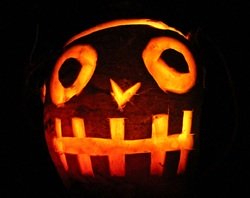 Tamala, the final celebration of the Mysteries of Life season, is a three-day fire festival known as the Feast of the Dead. Festival fires include blazing bonfires and the flickering candles in turnip lanterns and carved pumpkins.
A theme of the festival is re-connection with the spirits of the departed and the union of souls.
The Feast of Divine Life
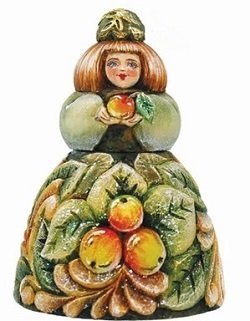 The Feast of Divine Life, the Autumn Equinox festival, celebrates our Mother God as the Ground of All Being and the Creatrix of the World. The keynote of the festival is abundance, the flow of spiritual blessings represented on the material plane by the harvest. Its symbols include the sickle, the cornucopia and the apple.
Chelanya, Festival of Regeneration
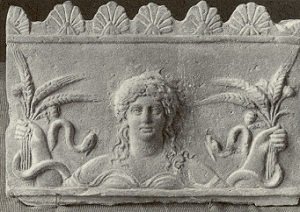 Chelanya, the Golden Festival, opens the Mysteries of Life season and is the festival of regeneration. Celebrated on the cross-quarter day of summer, it marks the beginning of the harvest season, symbolic of the bounty of Dea.
The image here is Ceres, the Roman mother goddess, with her particular motif of ripe grain. Note the snakes, also a symbol of regeneration from the shedding of their skin.
YouTube or Facebook

This section:
Fundamental Beliefs
A complete guide to the faith of God the Mother
FILIANIC SCRIPTURES
Gospel of Our Mother God
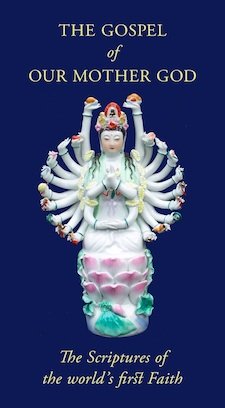
The Gospel of Our Mother God is a collection of inspirational texts, prayers and daily inspiration for the Mother-Faith devotee or household.
The Feminine Universe
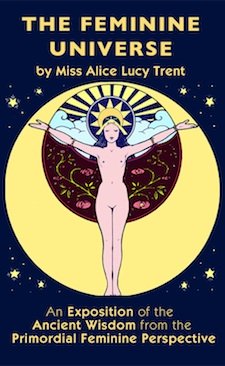
The Other Philosophy
Everything you have ever heard comes out of the patriarchal world-view. Its materialism, its religion, even its feminism. Here is the other way of seeing the world; the natural way: the way that everyone saw things before patriarchy and will again when patriarchy is long forgotten.